By Aisha Gambo
The Civil Society-Scaling Up Nutrition in Nigeria (CS-SUNN), on Thursday, urged the media to create awareness and sensitise the public on micronutrients and its importance to the human body.
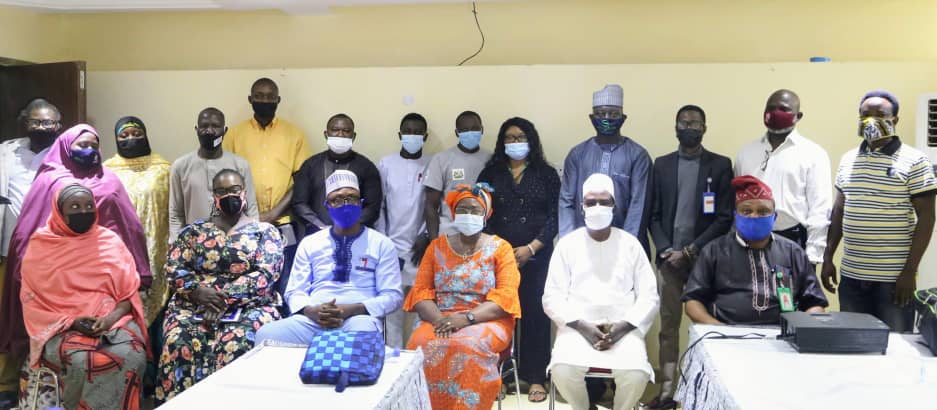
Executive Secretary of CS-SUNN, Beatrice Eluaka, made the call during a one-day media roundtable on “Micronutrient Deficiency Control (MNDC)” in Kaduna.
The roundtable was organised by CS-SUNN, in collaboration with the Federal Ministry of Health and the Ministry of Agriculture and Rural Development.
The secretary said that Nigeria had an alarming prevalence of micronutrient deficiencies that persisted over decades, adding that MNDC was a major public health problem caused by the lack of essential vitamins and minerals in diets.
She added that “the body requires in very small amounts to survive and thrive; micro-nutrients include minerals and vitamins and play crucial roles in human nutrition, including prevention and treatment of various diseases.
“Vitamins are necessary for energy production, immune function, blood clotting and other functions, while minerals play an important role in growth, bone health, fluid balance and several other processes.
“Adequate intake of micronutrients, particularly Iron, Vitamin A, Iodine, Zinc from conception to age 24 months is critical for child growth and mental development.”
Eluaka said that the major micronutrient deficiencies of public health importance included vitamin A, iron, folic acid, iodine and zinc deficiencies, which continued to contribute to a variety of morbidities and increased mortality in children, adolescents and pregnant women.
She urged governments at all levels to evaluate various programmes addressing micronutrients deficiencies in the country to provide valuable insight on their progress and effectiveness, as well as evolve a roadmap on future priorities.
She stressed the need to scale-up the provision of basic package of nutrition services across Primary Health Care centres.
She urged Kaduna residents and Nigerians in general to diversify their diet and to ensure adequate nutrition by consuming a wide range of foods, including vegetables, proteins and fruits to improve their nutritional status.
“CS-SUNN remains committed to advancing Nigeria’s MNDC and food fortification agenda for improved nutritional status of women, children and vulnerable groups”, Eluaka said.
Mr John Uruakpa, a representative of the Federal Ministry of Health, said Nigeria had implemented many programmes to address micronutrient deficiencies in the past 20 years.
He explained that some of the efforts made included the establishment of the National Fortification Alliance (NFA) where the government and the private sector met to address issues relating to food fortification.
He said another effort was the establishment of Universal Salt Iodisation (USI) Task Force, development of national guidelines on micronutrient deficiency control and development of food dietary diversification guidelines.
He, however, noted that more investment was required in the area of control by government and collaborating partners.
He added that “the work of the media in creating awareness, sensitisation and educating the public about the scourge should not be overemphasized.
“The development and implementation of policies and programmes that favour procurement and availability of MNDC commodities such as Vitamin A and Iron Folate are critical.” (NAN)
 Development Diary