By Philip Yatai
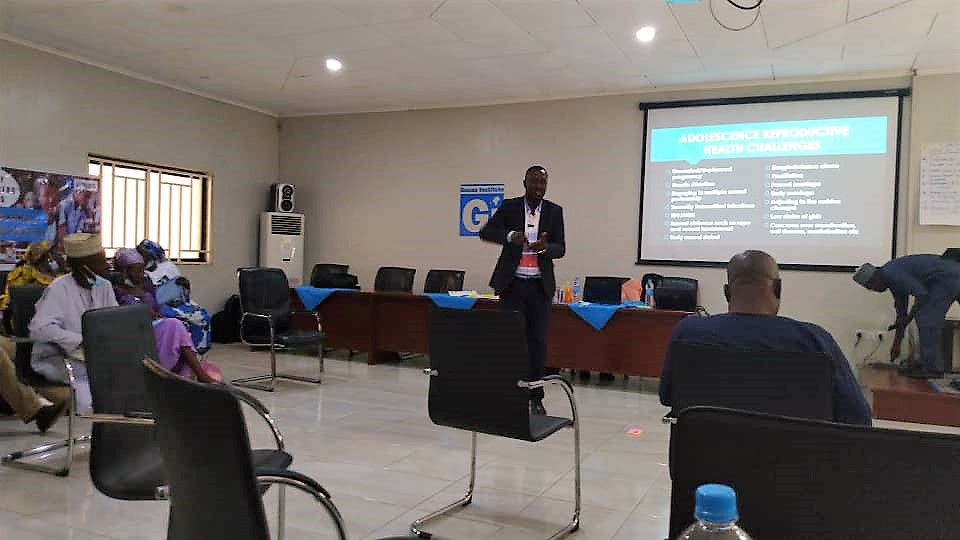
The Kids and Teens Resource Centre on Monday inaugurated a Family Life and HIV Education (FLHE) programme in Kaduna State.
Its Chief Executive Officer, Mr Falana Martin-Mary, explained that the programme would be implemented with support from UNESCO and the Sweden Government, under the Our Rights, Our Lives, and Our Future Programme.
Martin-Mary said at the inaugural meeting in Kaduna, that the six-month programme which would be implemented in Taraba, Kaduna and Nasarawa states would reach out to 101,000 adolescents and young people in the state.
He noted that young people in Kaduna state were faced with Sexual and Reproductive Health challenges.
“Many are getting unplanned pregnancies, others are engaging in unsafe abortion, multiple sexual partnership and substance abuse, among other issues.
“This is worrisome and requires urgent attention.
“We are, therefore, working with UNESCO and the Sweden Government to engage all stakeholders, with a view to safeguarding the lives of children in Kaduna State.
“The programme will use the power of young people to influence their peers, as those that would be trained will stand as an organ of enlightenment among their peers,” Martin-Mary said.
Also speaking, Mrs Hadiza Umar, Executive Director, Hope for the Community and Children Initiative (H4CC), Kids and Teens partner in Kaduna State, said that the programme targets in-school and out-of-school adolescents and young people being the vibrant population, either as survivors or perpetuators of sexual violence.
“They have a low level of sexual and reproductive health knowledge largely due to cultural or social norms and religious ideologies.
“There are also a lot of gaps between parents and children, teachers and learners, and negative peer pressure, and influence of drugs, among others.
“The programme is, therefore, designed to empower the target group with basic knowledge about family life, life skills and what HIV and AIDS is about.
“They will also be enlightened on the risks involved, how they can protect themselves and resist negative peer pressure,” she said.
Umar explained that the in-school strategy would be implemented by 150 school teachers who would reach out to 1000 learners at the end of the programme.
According to her, the out-of-school strategy will be implemented through 50 corps members who will be trained, adding that each corps member would engage 50 peer educators in communities.
She explained that at the end of the programme, the community volunteers would reach out to 100,000 peers in their respective communities with key messages on Sexual and Reproductive Health.
 Development Diary