By Philip Yatai
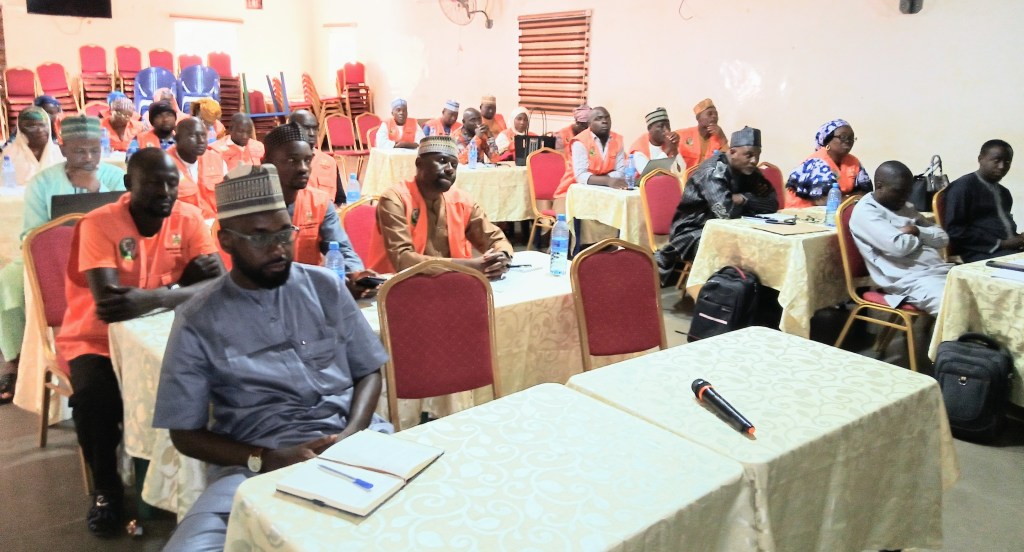
Save the Children International (SCI), in partnership with Kaduna State Primary Health Care Board (KSPHCB) is training local government Community Engagement Focal Persons on development of Community Health Charter.
The Advocacy and Campaign Coordinator, SCI, Mr Farouk Abdulkadir, said at the opening of the two-day Training of Trainers (ToT) in Zaria on Tuesday, that the training was supported under Gates Anchor IV Grant.
Abdulkadir said that the effort was to promote citizens’ engagement in health budgeting process through Community Health Charter to ensure that citizens’ health needs were adequately captured in the budget.
He described Community Health Charter as “prioritisation of community health needs by community members to inform the local government and state budgets.”
This, according to him, will enable community members to take action, set their health priorities and engage government to ensure that health budget and expenditure are based on community needs.
He explained that “what is critical in this process is the empowerment of communities to take ownership of their health endeavours and destinies.
“But this largely depends on community access to information, learning opportunities for health, as well as funding support.
“This is why this training is very important so that the focal persons on local government community engagement will train other officials and community mobilisers in their respective local government areas.”
He recalled that Save the Children had earlier trained Community Development Charter (CDC) Champions on how to capture the health needs of communities.
He said that the local government community engagement focal persons would work in synergy with the CDC champions to drive the process.
“This will ensure that the health needs of communities are prioritised and captured in the local government and state budgets,” he said.
Mr Yusuf Goje, one of the resource persons, explained that the CDC is a written document containing the development needs of a community listed in order of priority.
Goje said that the document would then be presented to the government as an official request of the community’s development needs.
He added that CDC was significantly informing the local government budget with little influence on the state budget.
He explained that the local government community engagement officers would work with the CDC champions to mobilise community members to engage the CDC process.
He said that after community needs had been collected in order of priority, the local government community engagement officers would pull out the health needs of every community from the document.
“This health needs will then be captured in the health sector’s Annual Operational Plan, which in turn would inform the budget,” he said.
Earlier, Mr Saminu Kaya, the Deputy Director, Social Mobilisation, KSPHCDB, thanked SCI for the support, stressing that the step would strengthen community ownership of government programmes.
Kaya assured that the focal persons would step-down the training to other officials for effective mobilisation of communities.
Dr Sunday Joseph, the Director, Planning Research and Statistics, Ministry of Health, said that the training was timely.
Joseph expressed optimism that the move would significantly improve the health sector’s budgeting process and make community-driven, and in the long run, strengthen community ownership.
 Development Diary