By Philip Yatai
The Evidence and Collaboration for Inclusive Development (ECID) project has improved the wellbeing of marginalised groups in Kaduna and Anambra States, says Christian Aid Nigeria.
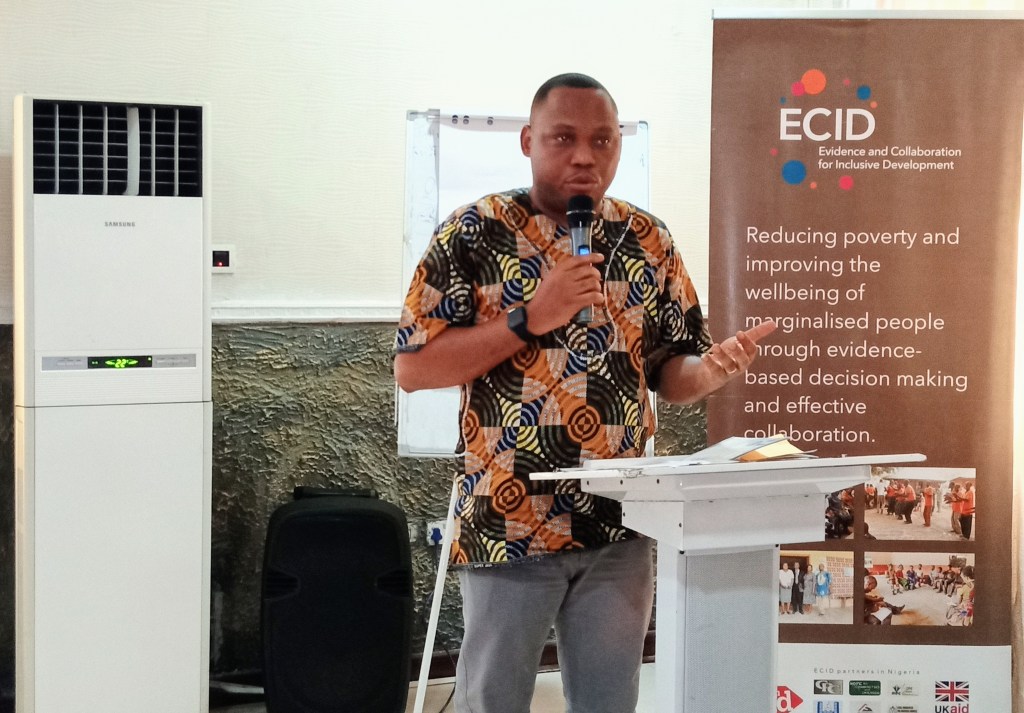
The Head of Programmes, Christian Aid, Mr Temitope Fashola stated this in Kaduna on Tuesday, at the close-out of the project funded by the UK Foreign Commonwealth and Development Office.
Fashola explained that the project which began in 2018, was designed to reduce poverty and improve the wellbeing of over 200,000 marginalised groups in the states.
He identified the marginalised groups as adolescent boys and girls, between 13 and 19 years, poor rural women, and People Living with Disabilities.
He said that the project had positively impacted the lives of marginalised groups by enhancing their skills and confidence through improved data collection and evidence for decision making.
The head of programme added that the marginalisation of the groups had equally decreased due to increased awareness creation, space for dialogue and improved capacity of the groups to act.
“The project also improved the effectiveness of the states in using data to facilitate decision making, through improved data management, access to quality data, and improved capacity of development actors.
“The project equally improved access to services by persons with disabilities,” he said.
He said that the project was implemented by Christian Aid Nigeria in collaboration with Aid Foundation, Hope for Communities and Children Initiative (H4CC), Legal Awareness for Nigerian Women (LAWN).
He identified other civil society organisations as Civil Rights Concern, Hope Givers Initiative and Justice, Development and Peace Commission (JDPC), among others.
“The project seeks to improve access to information and improve participation of the targeted group in the decision-making process.
“It also seeks to improve CSOs effectiveness and a more accountable and responsive government officials.
“The project focused on four key sectors, education, health, infrastructure, and agriculture, to ensure effective data collection to address identified issues of the targeted groups,” he said.
Fashola said that ECID was implemented in Kaduna State by Aid Foundation, H4CC and LAWN across 16 communities in four Local Government Areas namely Jaba, Kauru, Kubau, and Makarfi.
Christian Aid Country Director, Mr Charles Usie, said that the project was equally implemented in Myanmar and Zimbabwe.
According to him, the project has built the effectiveness of civil society organisations in accessing, gathering, and using data in advocating for inclusive development.
“ECID equally improved the use of evidence by the government in strengthening service delivery to improve the wellbeing of the people, particularly marginalised groups,” he added.
Mr Ibrahim Nuhu, Village Head of Kubau, Kubau Local Government of Kaduna State said that the project had opened spaces for the marginalised groups to participate in decision making in Kubau communities.
According to him, the project has increased the voices of marginalised groups in communities and community leaders and government are responding to their needs.
Also, Mr Markus Ishaya, a community member from Jaba LG, also said that ECID had strengthened their capacity in using evidence in advocating for improved services.
Hajiya Hafsat Baba, Kaduna State Ministry for Human Services and Social Development, thanked Christian Aid and its partners for supporting the state to address the plight of vulnerable groups.
 Development Diary