By Sani Idris Abdulrahman
An NGO, Gender Awareness Trust (GAT), has begun the Strengthening Inclusive Peace Project (SIPP) in Jema’a, Kaura and Zaria Local Government Areas of Kaduna State.
The News Agency of Nigeria (NAN) reports that the SIPP is supported by the Strengthening Peace and Resilience in Nigeria (SPRiNG) programme, an initiative of the United Kingdom.
At the state-level local government kick-off meeting on Wednesday in Kaduna, Dr Lydia Umar, Executive Director of GAT, said the project was a continuation of the organisation’s Building Inclusive Peace intervention implemented last year.
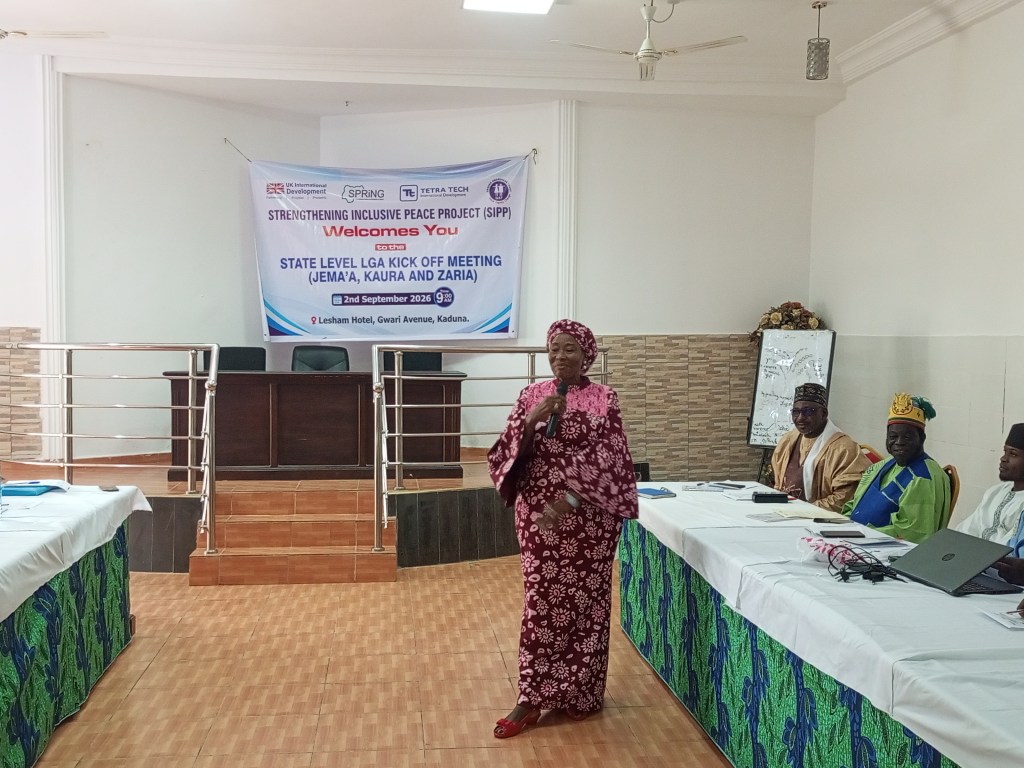
Umar explained that the previous project focused on establishing peace structures, while the new intervention would strengthen existing mechanisms and promote sustainable peace.
She said GAT implemented the previous intervention in Zangon Kataf, Kaduna South and Sabon Gari local government areas.
She noted that the selected local governments were strategically chosen to enable the project to make meaningful and lasting impacts within communities.
Umar said peace-building must begin at the grassroots, stressing that sustainable peace could only be achieved through collaboration among communities and key stakeholders.
“Peace, like politics, is local. If communities do not unite, interventions initiated at higher levels may not achieve the desired impact,” she said.
She said the project would promote the participation of women, youths, persons with disabilities, religious groups and conflict-affected persons in peace-building processes.
Umar said GAT had also established women ambassadors and male allies to support inclusive peace and protect the rights of vulnerable groups.
She stressed that women could not achieve meaningful progress in peace-building without the cooperation and support of men.
The executive director urged men and women to jointly take ownership of peace and security initiatives within their communities.
Umar also called for stronger collaboration among local government authorities, traditional institutions and other stakeholders to achieve the objectives of the project.
Mr Barau Emmanuel, Kaduna representative of SPRiNG, said the four-year programme began two years ago with an inception phase.
Emmanuel said the second year focused on project implementation, adding that the successful performance of implementing partners informed continued support for the intervention.
He said GAT had previously implemented similar interventions in Kaduna and Katsina states, demonstrating its capacity to strengthen community peace structures.
According to him, inclusive peace means ensuring that every stakeholder has a voice and meaningful role in decisions affecting peace and security.
He said women must not merely be represented in peace processes but should actively participate and contribute to decisions that affect their communities.
Emmanuel explained that peace agreements could become unsustainable when women and other critical stakeholders were excluded from negotiation and decision-making processes.
He said persons with disabilities, security agencies, justice institutions and organisations working in agriculture should also be involved in peace-building initiatives.
Emmanuel added that SPRiNG operates across Plateau, Benue, Kaduna and Katsina states, supporting interventions in peace, security, justice and resilience.
He said the programme also focused on climate change, agriculture, pastoralism and natural resource management.
One of the participants, the Zaria Local Government Council Secretary, Shuaibu Abdullahi described the project as timely and important for strengthening community structures for peaceful coexistence.
Abdullahi assured the organisers of the Zaria Local Government Council’s support and commitment towards encouraging stakeholders to actively promote sustainable peace.
He said strengthening existing peace mechanisms would enhance dialogue, prevent conflicts and foster greater understanding among the diverse communities within the local government.
Similarly, the Jema’a and Kaura LGA Secretaries, Dr Usman Dan-bala, and Haruna Pius, said the inclusive participation of women, youths and traditional institutions was essential to addressing community challenges and promoting lasting peace and development.
They said sustainable peace required collective responsibility and collaboration, pledging their Local Governments support towards strengthening peace structures and implementing the Strengthening Inclusive Peace Project.
A religious leader, Sanusi Umar, Sarkin Malaman Zazzau (Leader of Religious Leaders) in Zaria Local Government, said religious leaders had a critical responsibility in promoting peace, tolerance and understanding among people of different backgrounds.
Umar urged religious leaders to use their influence and teachings to discourage violence, strengthen unity and promote peaceful coexistence within communities.
A traditional leader, Mr William Gideon, Galadiman Kaninkon in Jema’a Local Government, said traditional institutions remained vital to conflict prevention and the preservation of peace at the grassroots.
Gideon said traditional rulers, being closer to their people, could help identify emerging disputes early and facilitate dialogue to promote lasting peace in their communities.
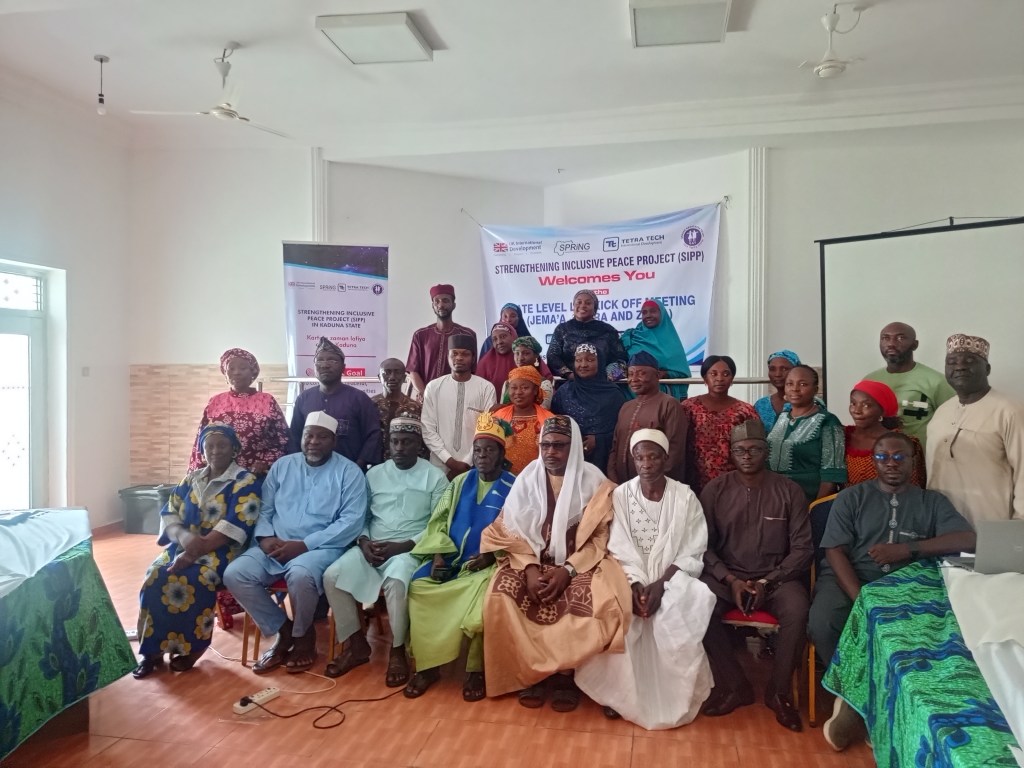
NAN reports that the meeting served as an entry point for GAT to secure stakeholders’ commitment and community ownership for implementing the project in the three local government areas.
Participants at the meeting also included women development officers, youth representatives, women mediators and representatives of relevant peace, governance and protection structures operating across the three LGAs.
NAN reports that the participants mapped existing peace, governance and protection structures in the three local government areas.
They also identified the roles of the structures, assessed the level of women’s participation and influence within the various mechanisms, and prioritised key structures for strengthening and future engagement under the SIPP. (NAN)

